International Hunting Consultants
Trusted guidance for serious hunters who want to get the right hunt the first time, backed by direct outfitting operations in Asia.
The World’s Leading International Hunting Consultants.
The finest international hunts are rarely secured by chance. They are shaped by judgment: the right country, the right outfitter, the right season, the right expectations, and the right preparation long before a rifle is cased or a plane ticket is issued.
That is where The Hunting Consortium has earned its place.
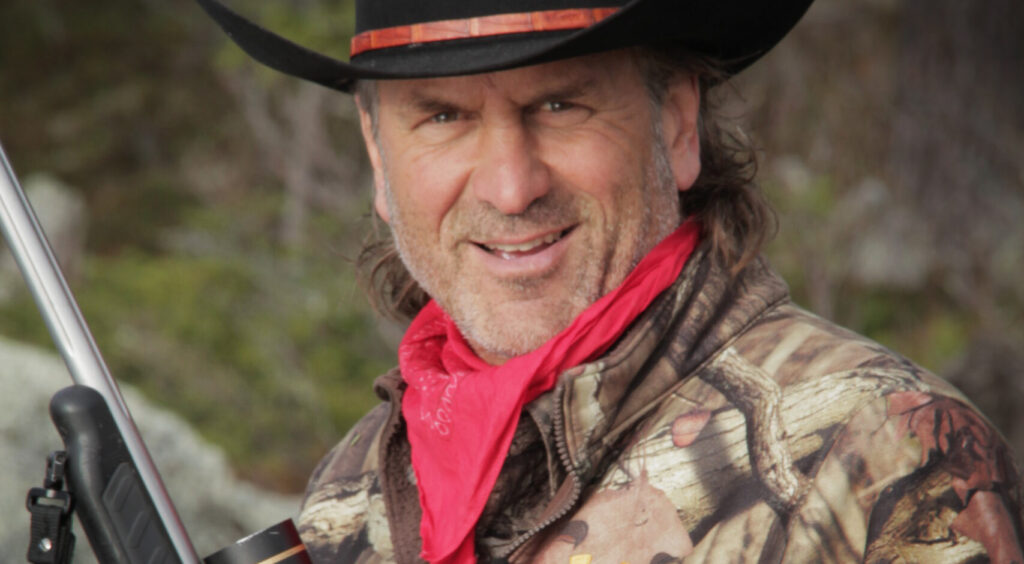

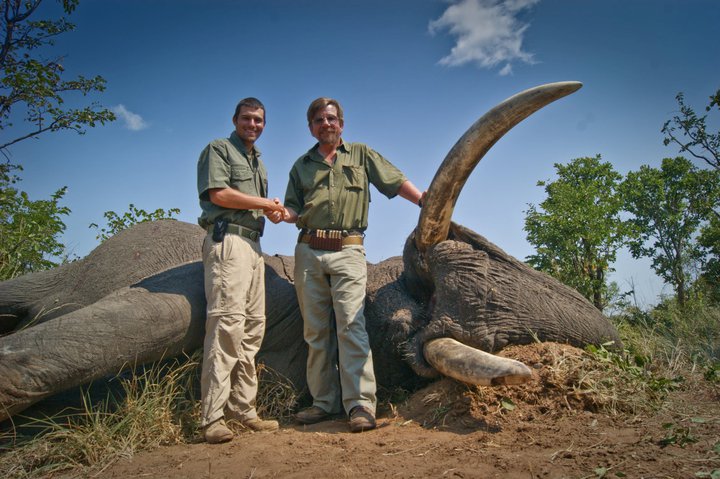
The Hunting Consortium serves serious hunters pursuing exceptional hunting opportunities around the world, from classic African safaris and European estate hunts to remote mountain expeditions in Tajikistan, Kyrgyzstan, Mongolia, Russia, and 60 countries worldwide. As trusted international hunt brokers and experienced hunting consultants, we help clients separate real opportunity from advertising and pursue the right hunt with clarity. Since 1985, we have arranged world-class big game hunts across six continents for hunters who value exceptional trophy quality, honest advice, and serious planning. As international hunting consultants, our reputation is built on helping clients choose the right country, the right outfitter, the right season, and the right strategy, with near-100% success record on properly planned primary-species hunts.
The internet can show you what is advertised. It cannot tell you which outfitter has truly earned his reputation, which area is right for the species you want to pursue, how current conditions may affect the hunt, or what details must be handled correctly before you ever leave home. That is why serious hunters rely on experienced international hunting consultants instead of guesswork. International hunting has too many variables, too many moving parts, and too much at stake for casual advice.
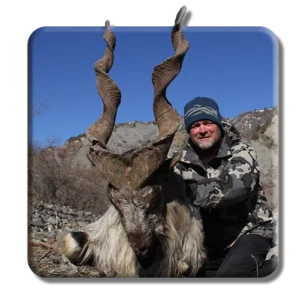
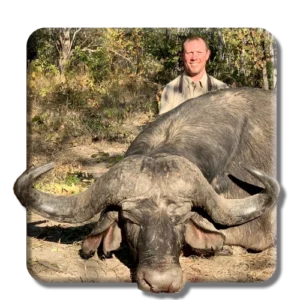
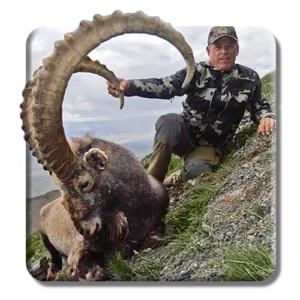
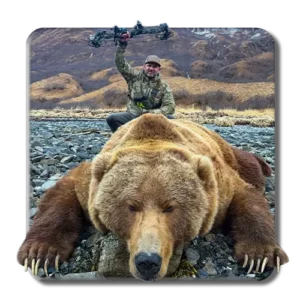
Most clients who come to The Hunting Consortium are not looking for noise. They are looking for clarity. Sometimes they already know the species. Sometimes they are choosing between countries, operators, and levels of difficulty. Sometimes they simply know they want a world-class hunt and do not intend to learn expensive lessons by making the wrong first move. In each case, our role is the same: bring order to the decision, reduce uncertainty, and help the hunter move forward with confidence.
We help clients think clearly, choose well, and pursue the opportunity with a plan worthy of the hunt itself.
Why Experienced Hunters Work With THC
The right hunt, not simply the available hunt.
Every serious hunter knows that not all opportunities are equal. A hunt may look right on paper and still be poorly matched to your expectations, physical style, timeline, or trophy goals. We help narrow the field carefully, weighing destination, species, operator quality, terrain, season, logistics, and the experience you actually want to have in the field.
Vetted outfitters and relationships built over time.
In this business, access is not the same as discernment. THC has spent decades building relationships with respected outfitters, field staff, and local partners across the world’s most important hunting regions. That allows us to recommend with confidence, not simply repeat what has been marketed.
Planning that treats the details seriously.
An international hunt is never just the days in camp. It is travel routing, invitation letters, visas, firearms procedures, permit requirements, country-specific regulations, timing through gateway cities, and preparation that begins months before departure. We handle those realities with the same seriousness as the hunt itself.
Honest guidance before commitment.
Our clients do not come to us for pressure. They come for clear thinking. We believe serious sportsmen deserve candid advice about difficulty, trophy quality, timing, travel demands, and overall fit. That kind of honesty protects both the hunter and the hunt.
Confidence in places where mistakes are expensive.
Some destinations are straightforward. Others are not. In remote mountains, politically sensitive regions, and difficult international gateways, experience matters in practical ways. The right guidance can save time, money, frustration, and opportunities that are not easily replaced.
A global team built for real execution.
THC is one of the few firms in this category with full-time staff abroad. That gives our clients stronger coordination, better communication, and informed support in key regions where local knowledge matters most.
For the serious hunter, the question is rarely whether a hunt can be arranged. The real question is whether the opportunity is the right one, whether the operator is truly worth trusting, and whether the entire pursuit will be executed properly from first conversation to final return. That is the question THC was built to answer.
Trusted by Accomplished Hunters Who Know the Difference
For decades, some of the most recognized names in the hunting world have turned to THC when the question was not merely whether a hunt could be arranged, but whether it could be arranged properly.
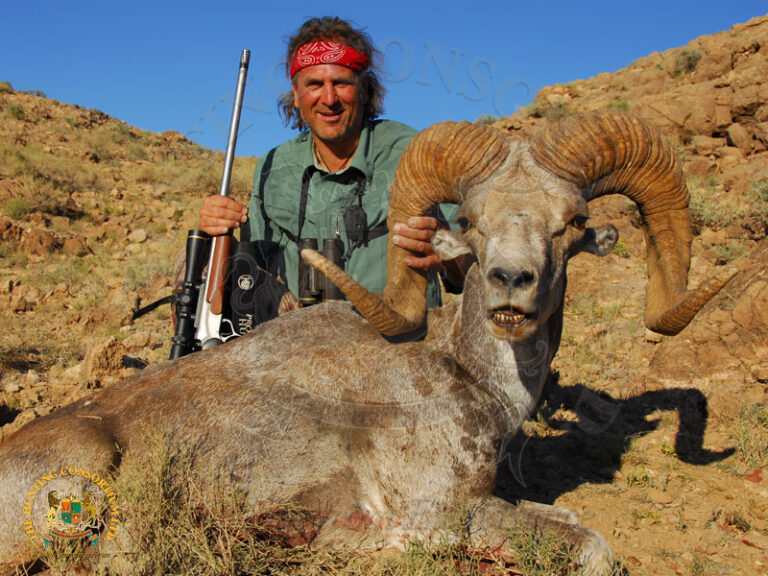
Jim Shockey
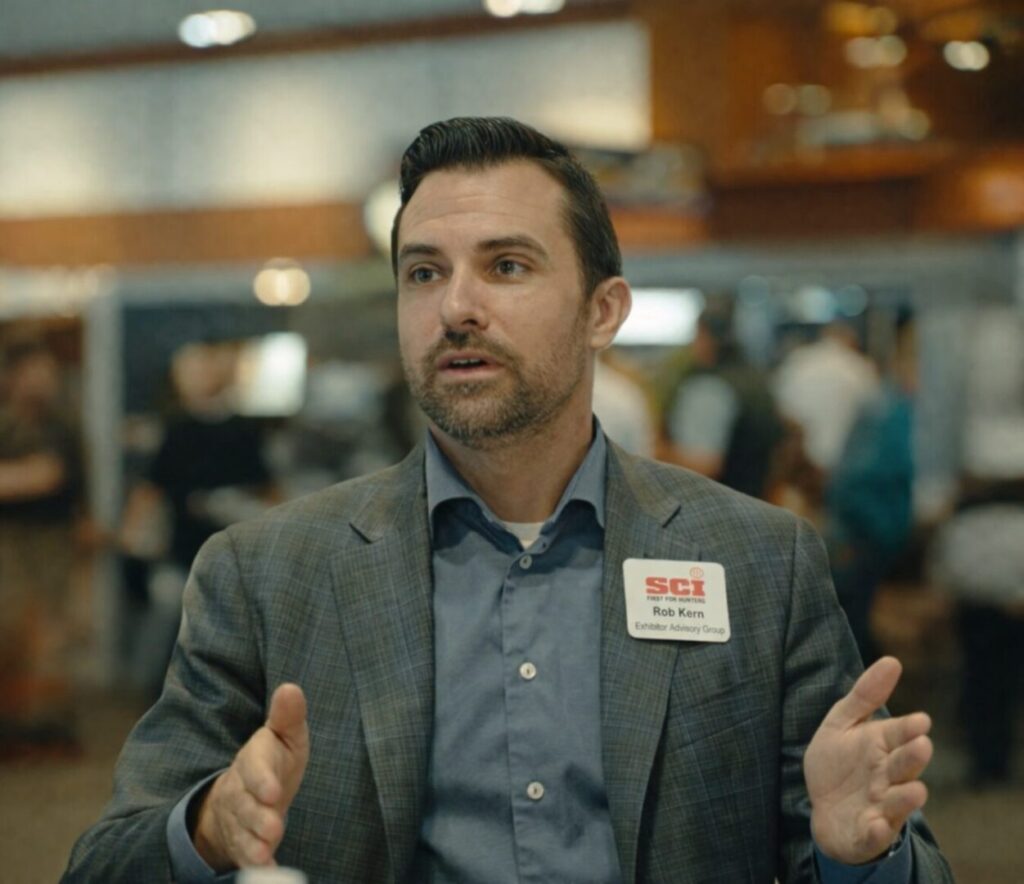
“When I have a hunting where, how, or what question, I call Bob or Rob Kern at The Hunting Consortium. I’ve booked over 30 international hunts through THC and fully intend to use their professional services far into the future.”

Craig Boddington
“There are destinations where I simply wouldn’t go without seeking the best possible advice from the most experienced experts… When it comes to difficult hunts in challenging areas, I have complete faith in The Hunting Consortium.”
Those endorsements matter because they come from men who understand exactly what is at stake. They know the difference between a casual booking agent and a genuine, full-time advisory team with experience, people on the ground, and the discipline to prepare a hunt correctly.
They are not alone. Across decades of international travel, repeat clients have trusted THC to help guide hunts for sheep in Asia, mountain game in Europe, dangerous game in Africa, and rare species in remote corners of the world. The common thread is not convenience. It is confidence.
International Hunting Demands More Than a Reservation
A premium international hunt is won or lost long before the first morning in the field.
Flights do not always move cleanly. Firearms do not move internationally on assumptions. Permit requirements shift. Trophy documentation must be handled correctly. One missed detail in a gateway city can become a costly problem a long way from home. Many hunters do not fully appreciate that reality until they have learned it the hard way.
THC exists to prevent that.
Our team coordinates the moving parts that surround the hunt itself: travel planning, country entry requirements, rifle permits, invitations and supporting paperwork, timing, preparation, and ongoing communication with operators and field staff. We help clients arrive informed, properly prepared, and positioned for a smoother experience from departure through return.
Just as important, we help clients prepare with realistic expectations. What is the terrain actually like? How demanding is the hunt? What standard of trophy is reasonable? What should be handled before departure rather than after arrival? Those are not minor questions. They shape the entire quality of the experience.
When plans change, as they sometimes do in difficult places, our clients are not left to improvise alone. That is the value of experienced hunting consultants. Not more noise. Not more salesmanship. Simply better preparation, fewer avoidable mistakes, and greater confidence at every stage of the process.


Begin With the Right Destination. Or the Right Species.
Some hunters arrive knowing exactly what they want to pursue. Others know the standard they expect, but are still weighing regions, species, and levels of difficulty. Both are common. Both deserve better than guesswork.
Our destination and species archives are designed to help serious sportsmen think clearly before they commit. Explore mountain hunts in Asia and Europe, dangerous game and plains game in Africa, classic opportunities in North America, or rare species in the far reaches of the hunting world. Study the animal first. Study the place first. Either path can lead to the right decision when guided by sound judgment.
A Global Team Built for International Hunts
THC is not a single desk attempting to manage the world from a distance. We operate with a broader view and a deeper bench than most firms in this field.
Our team includes full-time staff in key international regions, along with experienced personnel supporting clients from first inquiry to final preparation. That structure strengthens communication with local operators, improves coordination in difficult destinations, and gives our clients access to informed guidance shaped by real-world familiarity with the countries, cultures, and travel realities involved.
For the hunter, that means a steadier hand on the wheel.
It means better information before decisions are made. Better support while plans are taking shape. Better coordination as departure approaches. And in the end, a better chance of pursuing the right hunt the right way.
This is where Wisdom From Experience becomes more than a tagline. It becomes a practical advantage.
The Right Hunt Starts With the Right Guidance
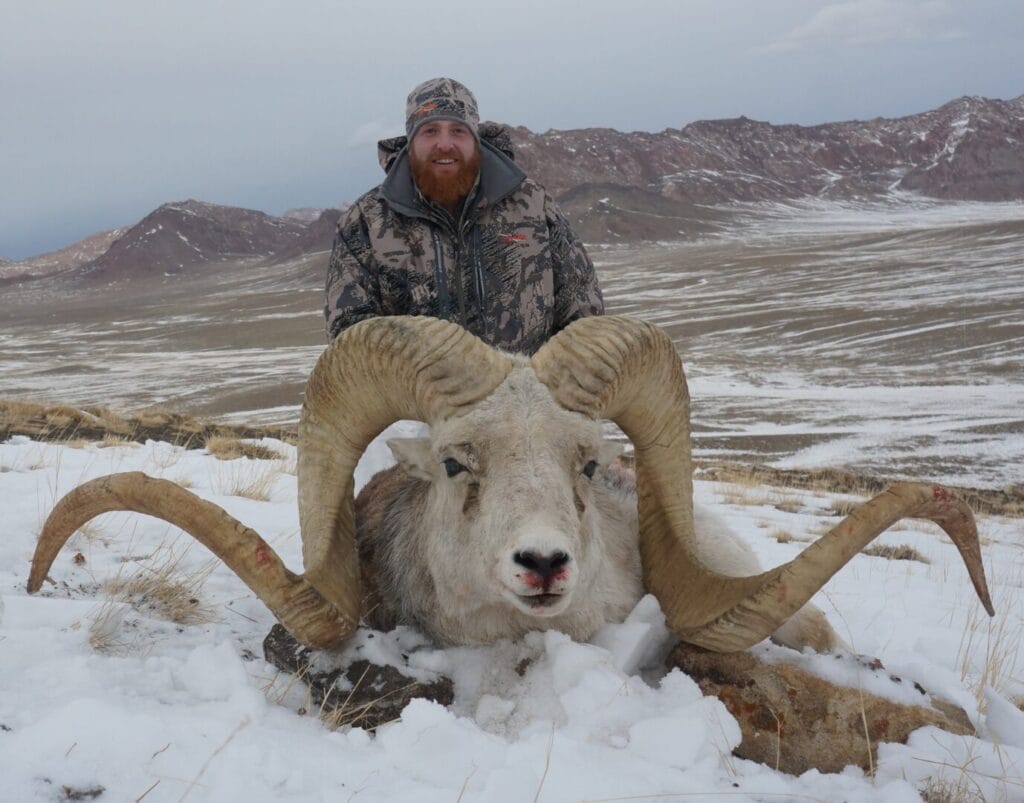
If you are considering an international hunt, the best next step is a direct conversation.
Tell us what species, destination, or type of pursuit you have in mind. Tell us how you like to hunt, what level of challenge you are prepared for, and what kind of experience you want the trip to deliver. We will help you identify the right opportunity, the right region, and the right path forward.
For serious sportsmen, the real value is not simply getting to camp. It is arriving there with confidence in the decision behind the hunt.
Frequently Asked Questions About Working With International Hunting Consultants
1. What do international hunting consultants actually do?
International hunting consultants help serious sportsmen identify the right hunt, the right outfitter, and the right destination based on species goals, timing, travel complexity, and overall fit. At The Hunting Consortium, that role goes far beyond making an introduction. We help clients think clearly, avoid costly mistakes, and prepare properly for international hunts where details matter long before arrival in camp.
2. Why should I use international hunting consultants instead of booking directly with an outfitter?
Booking directly can work in some situations, but it also places the burden of evaluation, comparison, logistics, and judgment entirely on the hunter. Experienced international hunting consultants bring a broader perspective. They know which operators have earned long-term trust, which destinations are right for a given species, and how travel, permits, firearms handling, and timing can affect the success of the hunt. For many hunters, the value is not simply access. It is confidence in the decision.
3. How do international hunting consultants help reduce risk?
International hunting comes with more moving parts than most domestic hunts. Outfitter quality, travel routing, entry requirements, firearm procedures, paperwork, trophy expectations, physical demands, and local conditions all need to be understood properly. International hunting consultants help reduce risk by guiding clients toward the right opportunities, identifying problems before they become expensive, and helping ensure the trip is arranged with the level of preparation serious hunters expect.
4. Are international hunting consultants only useful for first-time international hunters?
Not at all. First-time international hunters often benefit from guidance because the process is unfamiliar, but highly experienced sportsmen use international hunting consultants as well. In many cases, the more important the hunt, the more valuable sound advice becomes. Rare species, difficult destinations, mountain hunts, and hunts involving substantial travel coordination all benefit from experienced judgment.
5. How do I know whether a particular hunt is right for me?
That is one of the most important reasons to work with experienced international hunting consultants. A hunt may look attractive on paper and still be poorly matched to your expectations, physical style, preferred hunting method, or trophy goals. The right consultant helps evaluate not only the species and country, but also the terrain, timing, camp standards, travel demands, and likely overall experience. The goal is not merely to arrange a hunt. The goal is to help you pursue the right one.
6. Can international hunting consultants help with travel, permits, and firearms procedures?
Yes. For serious international hunts, those details are part of the real purchase, not an afterthought. The Hunting Consortium helps clients navigate the planning that surrounds the hunt itself, including travel coordination, invitation letters, permit support, firearms procedures, country-specific requirements, and other practical details that need to be handled properly before departure. Good planning protects the hunt.
7. What makes The Hunting Consortium different from other international hunting consultants?
The Hunting Consortium is not simply a referral source or listing service. We have spent decades helping serious sportsmen pursue world-class opportunities in difficult places, with a business model built on judgment, relationships, and execution rather than volume alone. Our clients come to us for honest guidance, trusted outfitter relationships, international planning experience, and the confidence that comes from working with a team that understands both the dream and the details.
8. What makes The Hunting Consortium a legacy brand in international hunting?
The Hunting Consortium is a true legacy brand in this industry. Since 1985, THC has stood as one of the foundational names in the modern international hunt brokerage and advisory business. Long before this category became crowded with directories, listings, and digital middlemen, THC helped define what serious hunters should expect from professional guidance in international hunting. That history matters. It reflects not only longevity, but leadership. THC helped shape the modern version of this industry and remains one of its pillars through trusted relationships, global reach, operational knowledge, and decades of earned credibility.
9. What kinds of hunters benefit most from working with The Hunting Consortium?
Our work is best suited to serious sportsmen pursuing premium international hunts where the destination, species, logistics, and outfitter choice all carry real weight. Some clients know exactly what they want to hunt. Others know the standard they expect, but need help identifying the right country, region, or operator. In either case, the value of working with experienced international hunting consultants is strongest when the stakes are high and the hunter wants to get the decision right the first time.
10. When should I contact international hunting consultants in the planning process?
Earlier is almost always better. The best international opportunities often depend on timing, availability, preparation, travel coordination, and realistic planning windows. Speaking with international hunting consultants early allows you to compare options intelligently, prepare for country-specific requirements, and avoid rushing decisions that deserve careful thought. If you are seriously considering an international hunt, the right time to begin the conversation is before assumptions harden into plans.